- Email Us : info@anargalanka.com

Understanding Biological Hazards

What are Biological Hazards?
Organic risks allude to microorganisms that sully food when ingested.
Things being what they are, how do unsafe microorganisms enter our bodies and really hurt?
We should comprehend that accommodating microbes in our body make up the ordinary vegetation and safeguard us against illnesses. People fall debilitated assuming outer wellsprings of microorganisms compromise this safeguard hindrance, enter the body, and delivery results.
The most well-known wellsprings of natural risks incorporate unpasteurized dairy items, defiled water, fish, inappropriately washed vegetables, and form developing on organic products.
You should perceive the elements that impact and increment the development of microorganisms to know how to control them. A helpful climate for development incorporates impractical temperatures, pH levels, and high dampness levels.
Types of Biological Hazards
The most well-known microbes found in the food and water incorporate microscopic organisms (salmonella, E. coli, Listeria, and campylobacter), organisms (yeasts and molds), infections (Norovirus and hepatitis An and E infection), and parasites (worms and protozoa, for example, giardia lamblia).
Virus
Infections are minuscule irresistible specialists that can pollute food. They are a main issue because of their capacity to cause foodborne diseases. Appropriate cleanliness and food taking care practices are fundamental to forestall viral pollution.
Some normal infections in the food business are referenced underneath:
- • Norovirus: Frequently connected with polluted water and crude or half-cooked shellfish.
- • Hepatitis A Virus (HAV): Commonly connected to crude or half-cooked shellfish, debased water, and food dealt with by contaminated people.
- • Rotavirus: Tracked down in polluted water and can be sent to food through unfortunate cleanliness rehearses.
- • Astrovirus: Can be available in defiled water, particularly when sewage pollution happens.
- • Sapovirus: Like Norovirus, it's related to shellfish and sullied water sources.
Bacteria
Bacteria are microorganisms that can duplicate quickly in food. They are a typical wellspring of foodborne illnesses. Forestalling bacterial tainting includes intensive cooking, refrigeration, and keeping up with appropriate sterilization.
Some normal foodborne bacteria incorporate the accompanying:
- • Salmonella: Frequently tracked down in crude meat and poultry, unpasteurized eggs, and dairy items.
- • Escherichia coli (E. coli): Ground meat, crude milk, and salad greens are normal sources.
- • Listeria: Generally connected with store meats, delicate cheeses made with unpasteurized milk and prepared to-eat food sources.
- • Campylobacter: Crude poultry, unpasteurized milk, and tainted water are normal sources.
- • Clostridium perfringens: Frequently connected to inappropriately dealt with or put away cooked food varieties, like stews and sauces.
- • Staphylococcus aureus: Tracked down on the skin and in the nasal sections of people.
- • Bacillus cereus: Normally tracked down in rice and other bland food varieties.
Fungi
Fungi, including molds and yeasts, can over-indulge food and produce mycotoxins. These can present wellbeing chances. To alleviate contagious dangers, putting away food appropriately and observing for indications of waste is essential
Probably the most well-known foodborne fungi are:
- • Aspergillus spp.: These molds are in many cases tracked down in grains, nuts, and seeds, as well as dried products of the soil.
- • Candida spp.: Normally tracked down in grains, dairy items, and handled meats.
- • Rhizopus spp.: Frequently connected with the decay of products of the soil.
- • Mucor spp.: Tracked down in different food varieties, including organic products, bread, and dairy items.
Parasites
Foodborne parasites like protozoa and worms can taint people while drinking sullied food or water. Forestalling parasitic contaminations requires thorough food investigation, cooking, and water treatment processes.
Some foodborne parasites include:
- • Trichinella spp.: Found in half-cooked or crude meat, especially pork, and game meats like bear and wild pig.
- • Cryptosporidium spp.: Tainted water sources, including untreated surface water and inappropriately treated pools.
- • Toxoplasma gondii: Frequently found in half-cooked or crude meat, as well as in soil tainted with contaminated feline dung.
Influence on Sanitation
Food and drink, that microorganisms have tainted influences the general wellbeing by enormous and brings about ailments.
As per a report by the WHO, roughly 420,000 bite the dust yearly, bringing about the deficiency of 33 million solid life years. Of these, 125,000 passings consistently are of kids under 5 years.
The immediate result of natural dangers to food handling is the episode of foodborne sicknesses and food contamination. This outcomes from inappropriately taking care of the food with cleanliness, put away, or cooked, prompting cross-pollution.
The illness appears as sickness, regurgitating, loose bowels, and fever when purchasers drink polluted food and water. In serious cases, it can prompt hospitalization or demise. These flare-ups can influence many individuals, including pregnant and the older.
Sanitation episodes bring about general wellbeing examinations and reviews of tainted items from retailers. This harms the standing of organizations in the food business. Subsequently, the brand can lose the purchaser's trust and certainty.
Such organizations related to foodborne sickness flare-ups experience a misfortune in client steadfastness and critical monetary misfortunes from diminished deals.
Obviously, food organizations that neglect to comply with sanitation guidelines and sell defiled items face legitimate results. This can undoubtedly change purchaser patterns as they stay away from specific food varieties.
Preventive Practices for Organic Perils
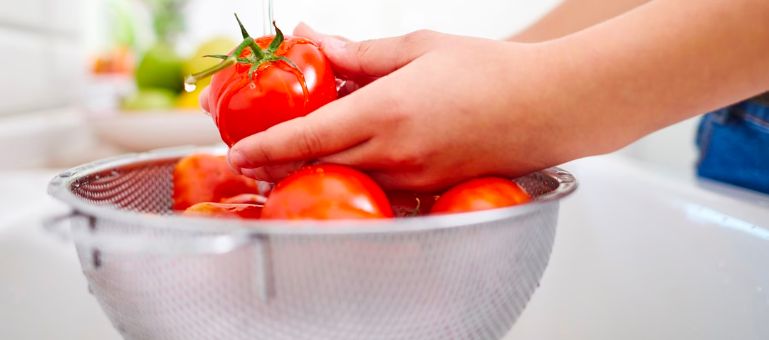
The answer to keep individuals from falling debilitated reliably is going to prudent lengths that moderate illness transmission and its drawn-out wellbeing chances.
The Hazard Analysis and Critical Control Point (HACCP) framework coordinates and guides legitimate food dealing with.
The HACCP guideline in the food and beverage industry depends on risk examination, basic control point distinguishing proof, foundation of basic cutoff points, checking strategies, restorative activities, record keeping, and confirmation methodology.
Our food business works as per these guidelines. We should see anticipation rehearses for natural risks.
Legitimate Handwashing
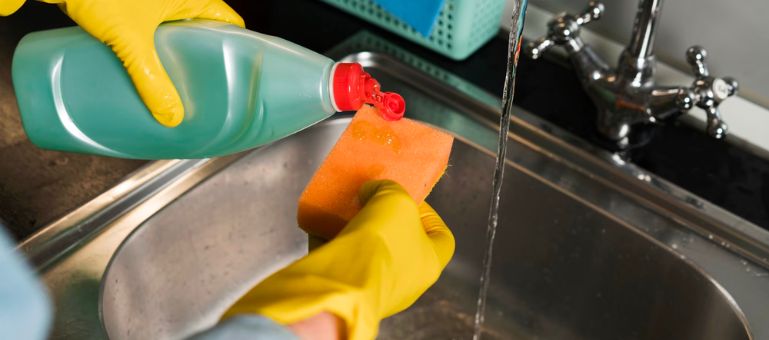
The first and fundamental stage in forestalling organic perils is as often as possible handwashing prior to dealing with new produce. For this reason, the food proprietors ought to put resources into hand washing stations with appropriate hand drying all through the assembling unit.
As basic as it might sound, handwashing with cleanser and warm water eliminates soil and microorganisms from the skin and forestalls foodborne sickness. This has demonstrated compelling in further developing in general food handling in home and business kitchen settings.
This expects laborers to comply with sterilization rules to guarantee clean hands for wellbeing. It is suggested that liquor-based sanitizer ought not be utilized as a trade for handwash, as it doesn't wipe out microorganisms like Norovirus.
Safe Food Dealing with and Capacity
The World Health Organization has spread out brilliant guidelines that all food entrepreneurs should comply with for safe food taking care of. We will audit each exhaustively to forestall organic perils in food taking care of.
1. Choose securely handled food: While getting new produce like organic products, vegetables, and milk, guarantee it has passed the fundamental wellbeing dealing with rules.
2. Separate Crude and Cooked Food sources: Keep crude meats, poultry, and fish separate from prepared to-eat food varieties and utilize separate slicing sheets and utensils to forestall cross-defilement.
3. Temperature Control: Now and again, it are not all around directed to cook temperatures. This can prompt sickness causing organic entities in handled food sources, like crude eggs and unpasteurized milk. Completely preparing the food at least temperature of 70°C is fundamental. Similar standards apply to putting away cooked food varieties at the suggested temperatures. Prepared food ought to be cooled to 10 °C or underneath or kept hot above 60°C and afterward put away for at least five hours. This guarantees that microorganisms don't flourish in a warm climate. If you want to defrost frozen food varieties, utilize the fridge, run it under cool running water, or in the microwave. Try not to defrost at room temperature, as it permits microorganisms to quickly increase.
4. Sanitize the kitchen surfaces: Utilize industrially accessible chlorine or fade cleaners and wipe surfaces and floors over and over. This likewise calls for entryway sterilization to control conceivable defilement from footwear in a food office. It requires controlling microorganism section utilizing clean mats and shoe covers and guaranteeing laborers change into assigned work boots.
5. Labeling items: Menu marking considers earliest in, earliest out to be polished as involving the food items in the timeframe of realistic usability is fundamental.
Ordinary Examination of Food Foundations
Ordinary registrations and examinations are the best way to guarantee that modern kitchens and food makers comply to safe food taking care of rules.
The state food authority conducts every other month or quarterly assessments of the food stockroom and assembling site to work with the proprietors and recognize any rules infringement.
A food foundation could be disregarding guidelines connected with refrigeration, legitimate cooking temperatures, the region's disinfection, and the laborers' cleanliness. On the off chance that an organization is seen as at legitimate fault for adding to natural risks, it very well may be met with fines or shutting down.
To forestall this, food enterprises ought to have workers more than once manage and screen the organization's natural perils. These quality control checks are fundamental in forestalling foodborne ailments early and from spreading and ruining food.
Microbiological Testing and Examination

Microbiological testing distinguishes the pathogenic microscopic organisms, infections, parasites, and molds debasing the food. Distinguishing the hurtful microbe is essentially as important as forestalling it, as this can assist you with making legitimate strides.
This falls under food microbial science, which conducts quantitative and subjective tests to track down the wellspring of an ailment flare-up. In such cases, it recognizes the item clusters and follow and review the part from retailers.
Microbial examination is solid as it incorporates cleanliness observing for microbiological investigation of air, surfaces, and staff. It additionally tests for water, microbes, pointer living beings testing, and waste organic entity testing.
The HACCP rules prescribe microbial testing to survey the nature of food items, as deterioration can prompt off-flavors and textural changes.
This implies that each bunch is microbiologically tried and fulfills wellbeing guidelines before dispersion.
Making microbial testing a standard working system for our items decisively works on the shopper's certainty. Clients will buy items that have gone through thorough testing and are protected from consumption.
